
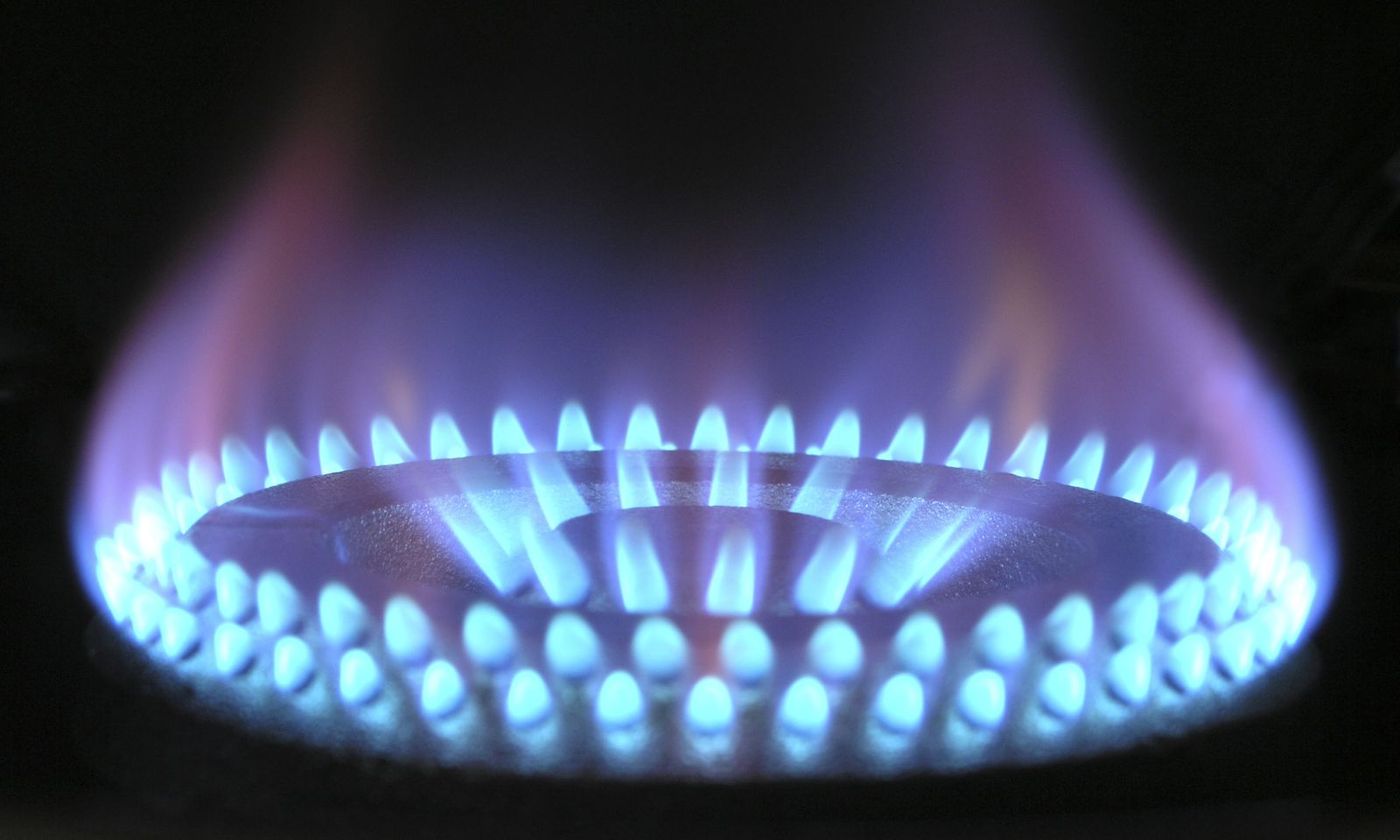
What a healthy burner looks like
A correctly operating gas burner produces a compact, mostly blue flame sitting evenly across the burner ports, with no yellow tips lifting away and no soot. Combustion is quiet apart from a steady low roar. Anything that deviates from that description is worth investigating.
Symptoms of a burner fault
- Yellow, orange or lazy flames instead of blue
- Black soot on the burner, the flue hood or the surrounding area
- The heater takes far longer than it used to for recovery
- Flames lifting off the ports, or an uneven flame across the burner
- A sharp smell during operation, or the heater repeatedly tripping its thermal switch
- Rust flakes accumulating in the combustion chamber
Why burners foul
Burners sit at the bottom of the heater and draw combustion air from the room around them. In a basement — which is where most Wilmington water heaters live — that air carries dust, lint from a nearby dryer, pet hair and rust scale falling from the flue. Over years that debris accumulates in the burner ports and on the air shutter.
The screened flame-arrestor plate underneath modern heaters fouls the same way. When it clogs, the burner is starved of air, combustion goes incomplete, and the thermal switch eventually locks the heater out. That is by far the most common cause of a modern gas heater that keeps shutting down.
Incomplete combustion produces carbon monoxide
Yellow flames and soot mean fuel is not burning completely, and incomplete combustion of natural gas or propane produces carbon monoxide. If you have soot around the heater, working CO alarms matter, and the heater should be inspected rather than left running.
What service involves
The burner assembly is removed, ports cleared, the air shutter set correctly, the flame arrestor screen cleaned, and the manifold and orifice checked for the right size — propane and natural gas orifices are different and a conversion done wrong shows up exactly here. Flame characteristics are then verified under fire, and draft is checked at the hood to confirm the combustion products are leaving the building.
Where the burner itself has corroded through, or the manifold is damaged, the assembly is replaced rather than cleaned.
Combustion air and venting
A clean burner in a room without enough combustion air still burns badly. This turns up in Wilmington homes where a basement has been finished and sealed, or where a high-efficiency furnace replacement left the water heater alone on an oversized chimney. Both change the conditions the burner was designed around. Related diagnosis sits with gas water heater repair and pilot light faults, since the same restriction that fouls a burner also drops pilots.
Older attached housing through Little Italy, Hedgeville and Browntown frequently has both conditions at once — tight basements and shared masonry chimneys — which is why burner and draft problems tend to arrive together there.
Related repairs
- Gas water heater repairBurner, pilot, gas valve and venting faults on natural gas and propane tanks.
- Pilot light repairThermocouples, thermopiles, pilot orifices and igniter assemblies.
- Water heater not heatingLukewarm water, short supply and slow recovery on any fuel type.
- No hot water repairComplete loss of hot water on gas, electric and tankless systems.
Questions we get asked
Why is my burner flame yellow instead of blue?
Yellow flames mean incomplete combustion, usually from clogged burner ports, a blocked air intake or flame arrestor screen, or a venting restriction. It needs inspecting because incomplete combustion produces carbon monoxide.
What is the screen under my water heater for?
It is a flame arrestor, designed to stop flammable vapours at floor level from igniting inside the combustion chamber. It clogs with lint and dust over time and is a very common cause of a heater that keeps shutting itself down.
Can a dirty burner raise my gas bill?
Yes. A fouled burner transfers heat less efficiently, so the heater fires for longer to reach the same temperature. Slow recovery and higher gas use often appear together.
Is soot around the heater dangerous?
Soot is visible evidence of incomplete combustion, which is the same condition that produces carbon monoxide. It should not be cleaned up and ignored — the cause needs identifying.
Get it looked at
Describe what the heater is doing when you call — the symptom usually narrows the fault before anyone arrives.
(302) 603-9708 Call now for service